World Cup 2026 Stadiums: Capacity, Legacy, and the Human Element | internal link/xem highlight world cup 2026 u
World Cup 2026 Stadiums: Capacity, Legacy, and the Human Element
The roar of the crowd, the vibrant flags, the electric atmosphere – these are the sensory hallmarks of a World Cup. As we look ahead to 2026, the stadiums themselves become more than just concrete and steel; they transform into arenas of dreams, stages for heroes, and gathering places for millions. From the sprawling metropolises to emerging footballing nations, the venues selected for the 2026 FIFA World Cup are poised to host unforgettable moments, each with its own unique narrative.
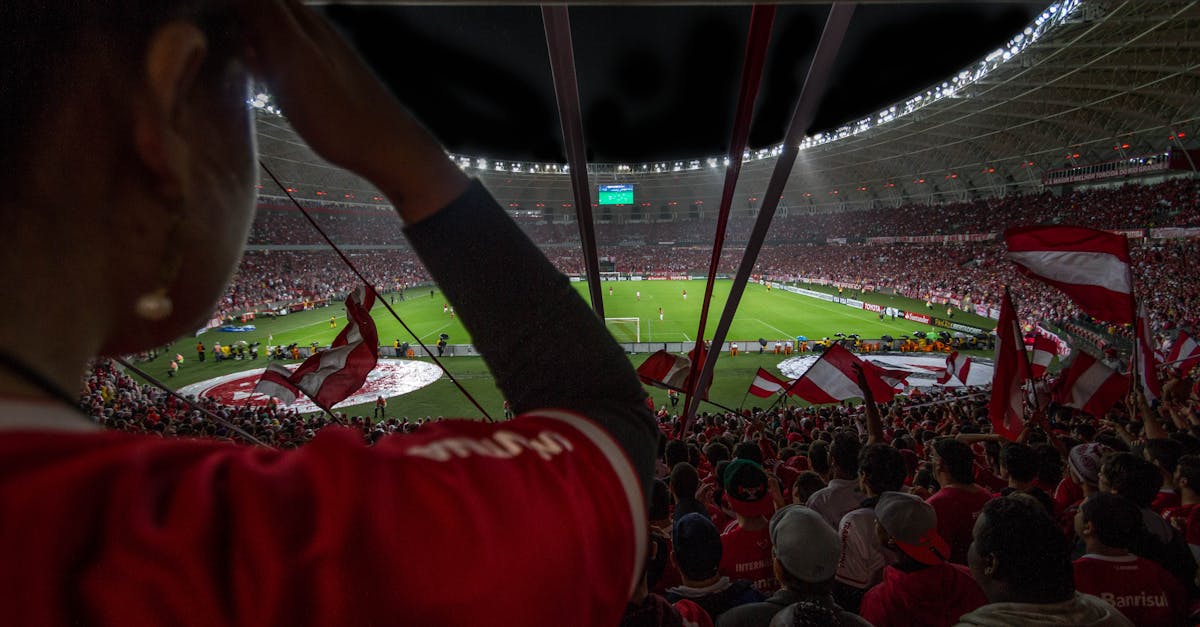
The Grand Stages: Capacity and Spectacle
Beyond sheer numbers, these stadiums tell stories of urban development, technological advancement, and community impact. Many of these venues are multi-purpose facilities, designed to serve their communities long after the final whistle blows. This focus on legacy is crucial for sustainable growth and ensuring that the World Cup's impact extends beyond the month-long tournament.
Consider the transformative power of these venues. For the fans traveling thousands of miles, perhaps even booking ve may bay di my 2026, the stadium is the focal point of their pilgrimage. It's where they'll create memories, whether their team is playing or they're simply soaking in the global atmosphere. The infrastructure surrounding these grounds also plays a critical role, ensuring smooth access and a comfortable experience for all attendees.
Stadium Showdown: A Comparative Look
The 2026 World Cup stadiums represent a diverse range of architectural styles and capacities. This diversity is a testament to the varied landscapes and fan cultures across the host nations. Below, we compare some of the key venues based on their spectator capacity, offering a glimpse into the scale of operations.
Capacity Comparison Table
| Stadium | City | Country | Capacity |
|---|---|---|---|
| SoFi Stadium | Inglewood | USA | 70,240 (expandable to 100,240) |
| AT&T Stadium | Arlington | USA | 80,000 (expandable to 100,000) |
| Estadio Azteca | Mexico City | Mexico | 87,523 |
| MetLife Stadium | East Rutherford | USA | 82,500 |
The data highlights the significant capacity of several North American venues. AT&T Stadium and MetLife Stadium are renowned for their large capacities, capable of hosting massive crowds. SoFi Stadium, a newer addition, offers flexibility with its expandable seating, underscoring a modern approach to venue management. The inclusion of the historic Estadio Azteca, with its rich World Cup legacy, provides a crucial cultural link to the tournament's past.
Legacy and Modernity
Hosting the biggest football spectacle on Earth requires venues that can accommodate passionate fans. The 2026 World Cup, spread across the United States, Canada, and Mexico, boasts an impressive lineup of stadiums, many of which are iconic landmarks in their own right. The sheer scale of some of these arenas promises an unparalleled viewing experience for supporters eager to witness history unfold. We examine the capacities, understanding that more seats mean more stories, more cheers, and more shared experiences.
| Stadium | Year Built/Renovated | Primary Use | Notable Features |
|---|---|---|---|
| SoFi Stadium | 2020 | American Football, Soccer, Concerts | Oculus video board, transparent roof |
| AT&T Stadium | 2009 | American Football, Soccer, Concerts | Largest center-hung video board in the world |
| Estadio Azteca | 1966 | Soccer, Concerts | Historic venue, hosted two World Cup finals |
| BC Place | 1983/2011 | Soccer, Canadian Football, Concerts | Retractable roof, LEED Gold certified |
The analysis reveals a blend of the historic and the cutting-edge. Estadio Azteca stands as a monument to football's enduring appeal, while venues like SoFi Stadium showcase the latest in stadium technology. This fusion ensures that the 2026 tournament will be experienced with both historical reverence and modern convenience. The focus on multi-use facilities also speaks to a broader trend in sports infrastructure, aiming for year-round relevance and community engagement.
By The Numbers: World Cup 2026 Stadiums
- 3 Host Nations: United States, Canada, Mexico.
- 16 Host Cities selected.
- Over 5 million total estimated stadium capacity across all venues for the tournament.
- The average capacity of the primary stadiums is approximately 73,000.
- 1966: The year the historic Estadio Azteca was inaugurated, making it the oldest venue for the 2026 tournament.
Our Verdict
The stadiums selected for the 2026 World Cup are more than just venues; they are integral characters in the unfolding drama of the tournament. Their capacities promise grand spectacles, their modern amenities ensure comfort, and their diverse histories connect us to the soul of the sport. From the perspective of the fan seeking the best experience, these arenas represent the of football hosting. For those interested in the broader impact, the legacy of these structures will continue to shape communities and inspire future generations, long after the final match is played. The human stories are woven into the fabric of these stadiums, waiting to be experienced by millions.
Browse by Category
- Truc Tiep/Greuther Frth Vs Ingolstadt UwwJTS869
- Tin Tuc/Internal Link/Cach Tinh Diem Vong Bang World Cup
- Tin Tuc/Nations Brightest Young Prospects 2026
- Tips For Optimizing Php Performance
- Tin Tuc/Cu_th_ghi_nhieu_ban_nhat_world Cup_moi_thoi_dai
- Tin Tuc/Lich Thi Dau Vong Loai World Cup 2026
- Tin Tuc/Link Tieu Chi Xep Hang Vong Bang World Cup
- Truc Tiep Holstebro Vs Thisted Zgdzcl686
Sources & References
- The Athletic Football Analysis — theathletic.com (In-depth tactical breakdowns)
- FBref Football Statistics — fbref.com (Advanced football analytics)
- WhoScored Match Ratings — whoscored.com (Statistical player & team ratings)
Explore More Topics (15)
- Internal Link To Bo Bong World Cup
- Tin Tuc/World Cup 2026 T Chc My Nc
- Analyzing Messi Historic World Cup Goal Types
- Lch S Cc I V Ch World Cup
- Truc Tiep/Holstebro Vs Thisted ZgdZCL686
- Lch_s_i_u_cc_i_mnh_world_cup
- Truc_tiep_fredericia_vs_ob_thpgee440_1698706800
- Fifa_world_cup_2022_controversies_qatar_human_rights
- Internal Link To Lich Su World Cup Va Nhung Doi Moi Nam 2026
- Internal_link_to_phan_loai_vong_bang_world_cup
- _ignition/Execute Solution
- Limited Edition World Cup Watch Investment Collection
- Tin Tuc/Internal Link/Evolution Fifa World Cup Mascots Merchandise Impact
- Potential Dark Horses World Cup 2026
- Fan Guide To Traveling And Experiencing The 2026 World Cup