World Cup 2026 Stadiums: A Look at the Venues Hosting Football's Biggest Stage
World Cup 2026 Stadiums: A Look at the Venues Hosting Football's Biggest Stage
The roar of the crowd, the electric atmosphere, the weight of a nation on a single kick. These are the sensory snapshots that define the FIFA World Cup. As we look towards 2026, the world's gaze will turn to North America, with Canada, Mexico, and the United States set to co-host. Beyond the players and the tactics, the very grounds they play on contribute immensely to the drama. These aren't just stadiums; they are modern-day amphitheatres, stee in history or pushing the boundaries of innovation, each with its own unique narrative. Imagine the anticipation building in the stands, the sunlight glinting off the pitch, or the roar echoing through a state-of-the-art facility – these venues are where legends will be forged.
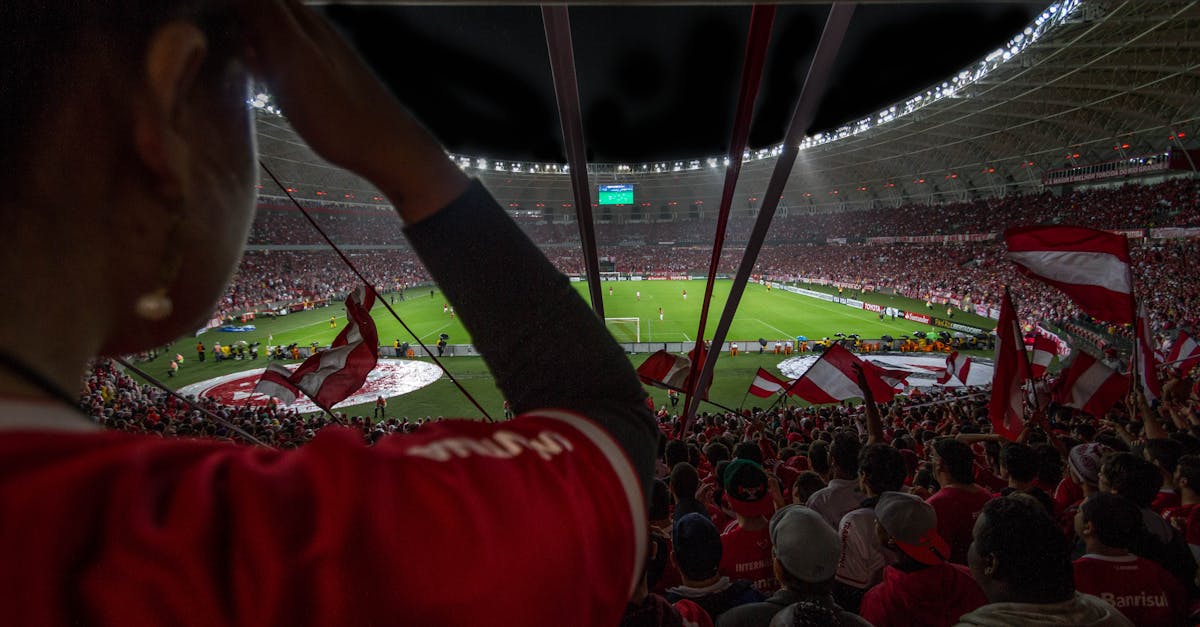
Iconic Venues: A Blend of History and Modernity
The stadiums selected are a testament to football's global reach and the infrastructure required to host such a monumental event. Let's compare some of the key venues that will host matches, considering their capacity and unique features.
North American Hubs: Where the Magic Unfolds
The 2026 tournament will span across three nations, utilizing 16 host cities. This unprecedented geographical spread highlights the growing global appeal of the World Cup. The stadiums chosen are varied, each offering a unique fan experience. Some are well-established football cathedrals, while others are newer, technologically advanced marvels. This diversity ensures that the World Cup 2026 will be an unforgettable event, showcasing the best of what North America has to offer. We'll be keeping a close eye on the tin tuc/vong loai world cup 2026 chau a as qualification heats up, with these stadiums providing the ultimate prize for the nations involved.
A Look at the Contenders: Stadium Showdown
The selection of stadiums for the expanded 48 team World Cup format reflects a grand vision. These venues are not merely concrete and steel; they are stages for dreams. From the hallowed grounds of Estadio Azteca, a site of previous World Cup finals, to the cutting-edge retractable roofs of SoFi Stadium, the chosen arenas promise a spectacle unlike any other. Each stadium represents a community, a city, and a nation ready to welcome the world, embodying the spirit of football and the aspirations of millions of Vietnamese athletes and fans who follow the tournament with bated breath.
| Stadium Name | City | Country | Capacity | Unique Feature |
|---|---|---|---|---|
| SoFi Stadium | Inglewood, California | USA | 70,240 (expandable) | State-of-the-art video board, retractable roof |
| Estadio Azteca | Mexico City | Mexico | 87,523 | Historic venue, hosted two previous World Cup finals |
| MetLife Stadium | East Rutherford, New Jersey | USA | 82,500 | Home to two NFL teams, designed for major events |
| AT&T Stadium | Arlington, Texas | USA | 80,000 (expandable) | Giant video screen, iconic glass design |
| BC Place | Vancouver | Canada | 54,500 | Retractable roof, home of the Canadian Football League's BC Lions |
Beyond the statistics and architectural marvels, these stadiums are imbued with human stories. Think of the countless hours of training by future stars, the hopes and dreams of local communities, and the dedication of the workers who built and maintain these colossal structures. For many, attending a World Cup match is a lifelong ambition, a chance to witness history firsthand. The excitement surrounding the world_cup_draw_2026 will only amplify these personal narratives. Each stadium will become a focal point for these human experiences, contributing to the tin_tuc/most controversial world cup moments that often emerge from the high-stakes environment.
| Stadium Name | Key Technology | Environmental Considerations | Fan Comfort Focus |
|---|---|---|---|
| SoFi Stadium | 268-million-pixel video board, 5G connectivity | Solar power generation, water conservation | Climate-controlled environment |
| Estadio Azteca | Extensive renovations planned for modern standards | N/A (Historic focus) | Improved seating and amenities |
| MetLife Stadium | High-definition scoreboards, Wi-Fi | Energy-efficient lighting | Ample concessions and restrooms |
| AT&T Stadium | Largest stadium video board in the world | Recycling programs | Luxury suites and premium seating options |
| BC Place | Retractable roof for all-weather events | Energy-efficient systems | Modern concourses and seating |
The technological advancements and fan comfort considerations at these stadiums are paramount. Venues like SoFi Stadium are setting new benchmarks with immersive digital experiences. While historic grounds like the Estadio Azteca are being upgraded to meet contemporary demands, ensuring that tradition and modernity coexist harmoniously. The focus on environmental sustainability, seen in the solar power initiatives at SoFi Stadium, reflects a growing awareness within major sporting events. These are the stages where players, including the tin_tuc/nhung_cau_thu_duoc_ky_vong_nhat_world cup, will perform, and fan comfort is key to the overall success of the tournament.
By The Numbers: World Cup 2026 Venues
- 16: The total number of host cities across three countries.
- 68: The number of years since the Estadio Azteca first hosted a World Cup final (1986).
- 80,000+: The potential capacity of AT&T Stadium, making it one of the largest.
- 3: The number of nations co-hosting the tournament.
- 2026: The year of the next FIFA World Cup, marking a significant expansion of the tournament.
The Human Element: Stories Within the Stadiums
This table highlights the sheer scale of the venues chosen for the World Cup 2026. The capacities are impressive, ensuring that hundreds of thousands of fans can witness the action live. The inclusion of historic sites like the Estadio Azteca, which was the stage for legendary moments including those seen in the fifa_world_cup_2022_final_viewership_numbers, alongside modern marvels like SoFi Stadium, promises a rich tapestry of experiences. The ability to expand certain capacities, such as AT&T Stadium, demonstrates a forward-thinking approach to accommodate the immense global interest.
Our Verdict
The stadiums selected for the FIFA World Cup 2026 represent a monumental undertaking, blending iconic heritage with cutting-edge innovation. They are designed not just to host football matches, but to create unforgettable experiences for fans worldwide. From the vast expanses of the American arenas to the historic charm of the Azteca, these venues will undoubtedly play a crucial role in shaping the narrative of the 2026 tournament. The spirit of competition, as seen in the kt_qu_vng_loi_world_cup_2026_khu_vc_chu and the o_u_i_tuyn_v_ch_world_cup_2022, will be amplified within these magnificent settings. Fans eager to know tin_tuc/xem_highlight_world cup_2026_o_dau will be looking forward to seeing how these stadiums host the world's greatest sporting spectacle.
Browse by Category
Sources & References
- UEFA Technical Reports — uefa.com (Tactical analysis & competition data)
- FIFA Official Reports — fifa.com (Tournament & qualification data)
- The Athletic Football Analysis — theathletic.com (In-depth tactical breakdowns)
Explore More Topics (15)
- Blog/World Cup 2026 Official Travel Agency
- Analysis
- World Cup 2026 To Chuc O May Nuoc
- D On I Tuyn Vit Nam D World Cup
- Gyeongnam Fc K League Journey
- 2026 World Cup Qualifier Battles
- Tactical Blueprint Vietnam 2026 World Cup Qualifiers
- Lich Thi Dau Vong Loai World Cup 2026
- Link To The Thuc Vong Loai World Cup 2026
- Link_to_world_cup_on_mytv
- Mcp
- Understanding Football Tactics How Lower League Teams Set Up
- Fpt Play Gi Cc Xem World Cup
- Bong Da/Tin Tuc/Internal Link Xem Highlight World Cup 2026 U
- Sc Cha Cc Sn World Cup 2026