World Cup 2026 Stadiums: Capacity & Fan Experience | nh_gi_tivi_tt_nhat_xem_world_cup
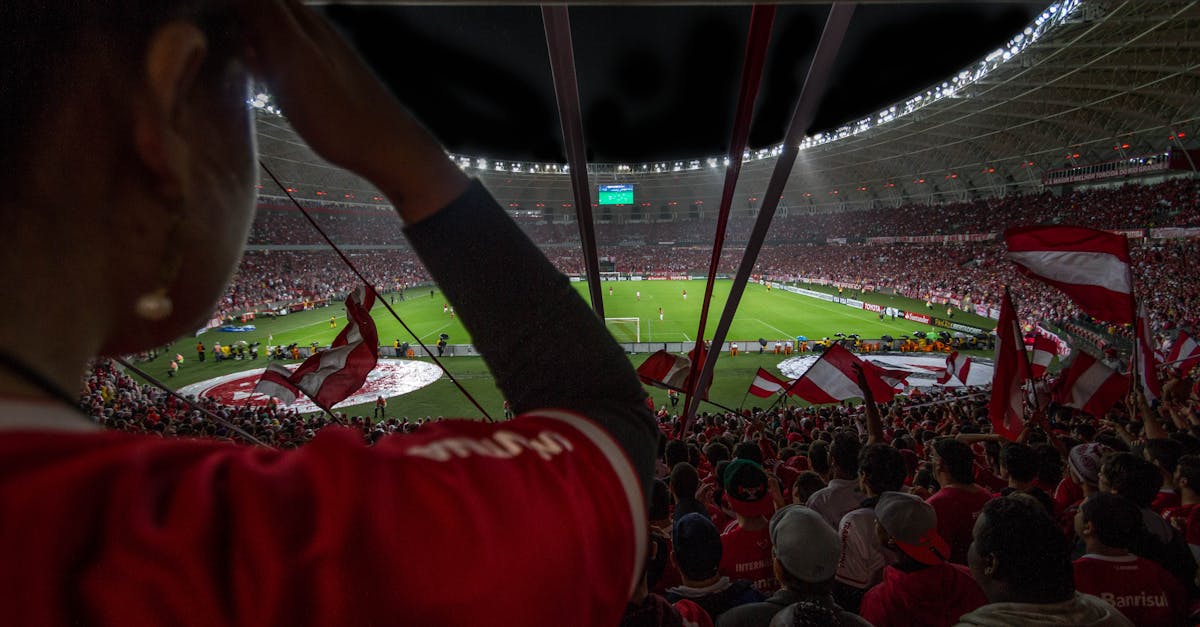
The roar of the crowd, a symphony of anticipation. Flags wave, faces painted, a collective breath held. This is the human heart of the World Cup, amplified by the colossal structures that host these dreams. For the 2026 edition, spanning North America, the stadiums themselves tell a story – a narrative of ambition, legacy, and the unwavering passion of fans eager to witness history unfold. We delve into the capacity of these iconic venues and what that means for the supporters who fill them, creating unforgettable moments. This is more than just concrete and steel; it's the stage for global heroes.
Matchday Experience: Beyond the Capacity Count
While raw capacity figures are impressive, the true measure of a World Cup venue lies in the experience it offers. For fans travelling to witness games, perhaps even using services like dat ve may bay di my xem world cup, the atmosphere is paramount. The 2026 tournament will see venues like the Estadio Azteca, a titan stee in lch s cc k world cup t chc bc m, hosting matches alongside modern marvels. Each stadium's unique design impacts crowd flow, sightlines, and the overall sensory immersion. The proximity of fans to the pitch, the acoustics, and even the surrounding infrastructure all contribute to the indelible memories created on matchday. For many, this is a once-in-a-lifetime pilgrimage, and the stadium is the sacred ground.
Stadium Capacities: A Comparative Look
Beyond the stadium walls, the fan's journey is crucial. Planning for events like the tin tuc/lich thi dau vong loai world cup 2026 viet nam or understanding the qu lu nim world cup 2026 routes involves more than just booking tickets. It's about the entire experience, from travel and accommodation to navigating new cities and reaching the venue. The sheer number of fans descending upon host cities necessitates robust infrastructure. The proximity of major transport hubs to these stadiums, and the ease with which fans can access them, directly impacts their overall enjoyment. For those following their national teams, like supporters interested in the blog/lich thi dau vong loai world cup 2026 viet nam, the journey itself becomes part of the story.
The comparison highlights the immense scale of the venues chosen for the 2026 World Cup. The inclusion of expandable capacities, like at SoFi Stadium and AT&T Stadium, demonstrates a flexibility to cater to the heightened demand and fervent atmosphere expected during the tournament. These figures dwarf those of many domestic league grounds, underscoring the global spectacle that the World Cup represents. The Estadio Azteca, a venue with such rich World Cup history, continues to stand as one of the largest, a testament to its enduring significance.
| Stadium | City | Capacity | Country |
|---|---|---|---|
| SoFi Stadium | Inglewood, California | 70,240 (expandable to 100,240) | USA |
| Estadio Azteca | Mexico City | 87,523 | Mexico |
| AT&T Stadium | Arlington, Texas | 80,000 (expandable to 93,000) | USA |
| Luzhniki Stadium | Moscow | 81,000 | Russia (Previous host, context for scale) |
The numbers paint a picture of scale and ambition. The 2026 World Cup is set to be the largest in history, not just in terms of matches but also in the sheer volume of fans it aims to accommodate. This expansion requires meticulous planning, from the capacity of the stadiums to the logistics of fan movement. It’s a testament to the enduring global appeal of the tournament, a spectacle that continues to grow and captivate audiences worldwide.
Fan Accessibility and Journey
This comparison illustrates that while stadiums may boast impressive capacities, the surrounding infrastructure plays a pivotal role in the fan experience. Venues like Estadio Azteca, with its deep historical roots and excellent public transport links, offer a different kind of fan journey compared to the more modern, entertainment-complex-centric approach seen in areas surrounding AT&T Stadium. The success of the tournament hinges not just on the games, but on how seamlessly fans can navigate and immerse themselves in the host cities. This aspect is critical for attendees, whether they are local or have travelled from afar, perhaps after securing their spot through insights into the internal/link/to/quan_ca_phe_world_cup or by following the internal link/ket qua vong bang world cup.
Let's compare key logistical and fan-focused aspects:
| Venue | Public Transport Access | Accommodation Proximity | Potential Fan Zones |
|---|---|---|---|
| SoFi Stadium | Good, with dedicated metro lines and bus services | Excellent, with numerous hotels in surrounding areas | Likely, given LA's event infrastructure |
| Estadio Azteca | Excellent, well-connected by metro and bus | Moderate, with options in surrounding districts | Strong possibility, traditional for major Mexico City events |
| AT&T Stadium | Moderate, reliant on ride-sharing and limited public transport | Excellent, part of a large entertainment complex | Likely, common in Dallas-Fort Worth metroplex |
Here’s a look at some of the key stadium capacities:
By The Numbers
- 3: The number of host nations for the 2026 World Cup (Canada, Mexico, USA).
- 16: The total number of host cities selected across North America.
- 87,523: The capacity of Mexico's historic Estadio Azteca, one of the largest.
- 100,240: The maximum potential capacity of SoFi Stadium, showcasing modern stadium design.
- 60+: The estimated number of matches to be played across all venues, highlighting the extensive schedule.
The sheer scale of the 2026 World Cup venues is staggering. These arenas are designed to accommodate tens of thousands of passionate supporters, all converging to cheer on their nations. Understanding these capacities provides insight into the logistical planning and the potential atmosphere within each venue. The venues selected represent a blend of historic significance and state-of-the-art facilities, promising a diverse fan experience across the three host nations.
Our Verdict
The stadiums for the 2026 World Cup are more than just venues; they are crucibles of passion and history. From the legendary Estadio Azteca to the cutting-edge SoFi Stadium, each promises a unique backdrop for the drama to unfold. The capacities are immense, designed to house the dreams of millions, but it's the human element – the fan's journey, the shared experience, the collective roar – that will truly define this tournament. As we anticipate the luc luong tham gia world cup 2026, these colossal arenas stand ready to host the beautiful game's greatest spectacle, ensuring that every cheer and every gasp echoes across the globe.
Browse by Category
Sources & References
- The Athletic Football Analysis — theathletic.com (In-depth tactical breakdowns)
- FBref Football Statistics — fbref.com (Advanced football analytics)
- WhoScored Match Ratings — whoscored.com (Statistical player & team ratings)
Explore More Topics (15)
- Bong Da Viet Nam World Cup 2026
- Gia Ve Xem World Cup 2026
- Fifa World Cup 2026 Khi No Din Ra
- Tin Tc Chuyn Nhng Cu Th Sau World Cup
- Compare World Cup 2026 Ticket Prices Vs Previous Tournaments
- Truc Tiep/Ec Sao Bernardo Vs Monte Azul Iugvha114
- So Sanh Cac Goi Xem World Cup
- Ch Tch Fifa Ni G V World Cup 2026
- Tivn Chn Tv Xem Bong World Cup
- Phu Kien World Cup Chinh Hang
- World Cup 2026
- Tin Tuc/Du Lich My Xem World Cup
- Can Argentina Defend World Cup Crown
- Doi_tuyen_quoc_gia_du_world_cup_2026
- Environmental Impact Streaming World Cup